
The "Herstory"

The magical girl genre has evolved significantly since the 1960s. The history of transformation sequences is divided into three key eras.

©2021 by 2red moon2 (7)

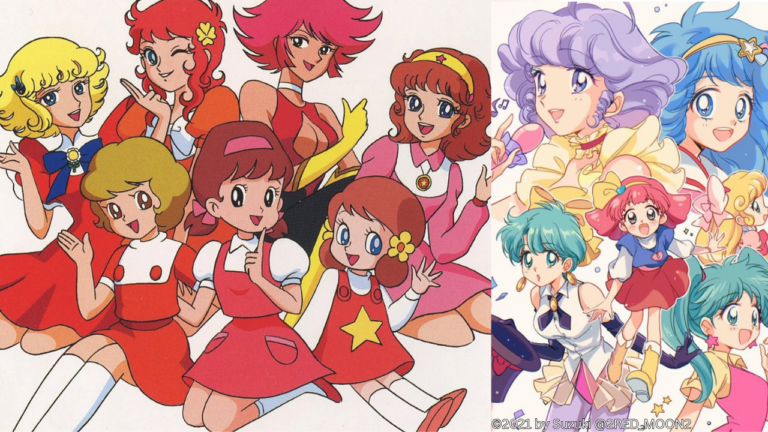
1960s-1980s

1960s-1970s Transformations used basic animation techniques like jump cuts and smoke effects. Characters changed everyday clothing instantly, typically triggered by a short phrase or holding a specific item.

1980s Transformations incorporated idol and pop music themes. Sequences featured stage lighting, starry backgrounds, and microphone props to show the character changing into a performer.
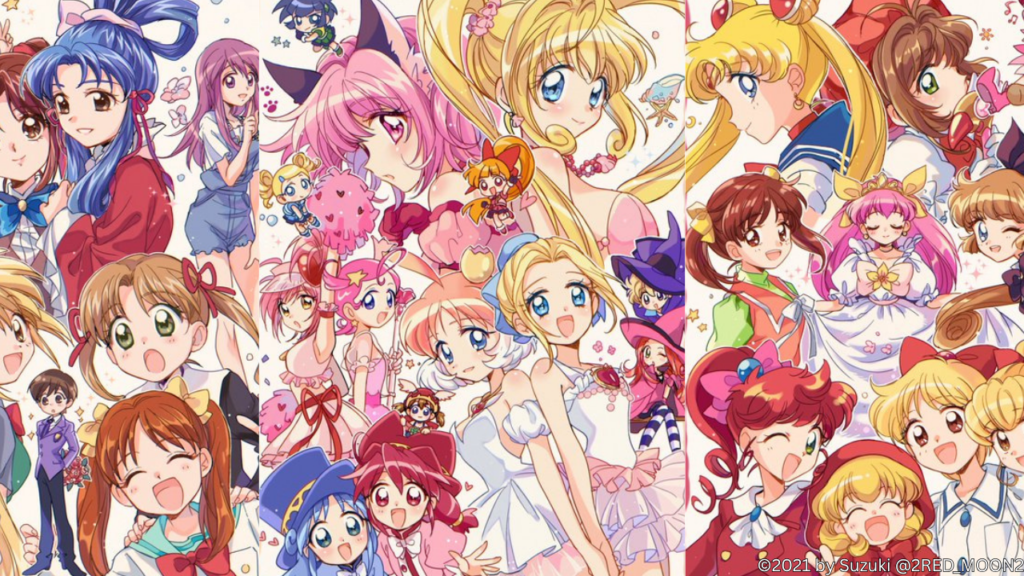
1990s-2000s

1990s The standard combat transformation sequence was established. Characters temporarily became glowing silhouettes while their combat uniforms materialized over them, most commonly animated as wrapping ribbons of light.

2000s With the shift to digital animation, sequences integrated mechanical and sci-fi elements. Visuals expanded to include holographic magic circles, digital UI interfaces, and weapon assembly animations.

©2021 by 2red moon2 (6)
2010

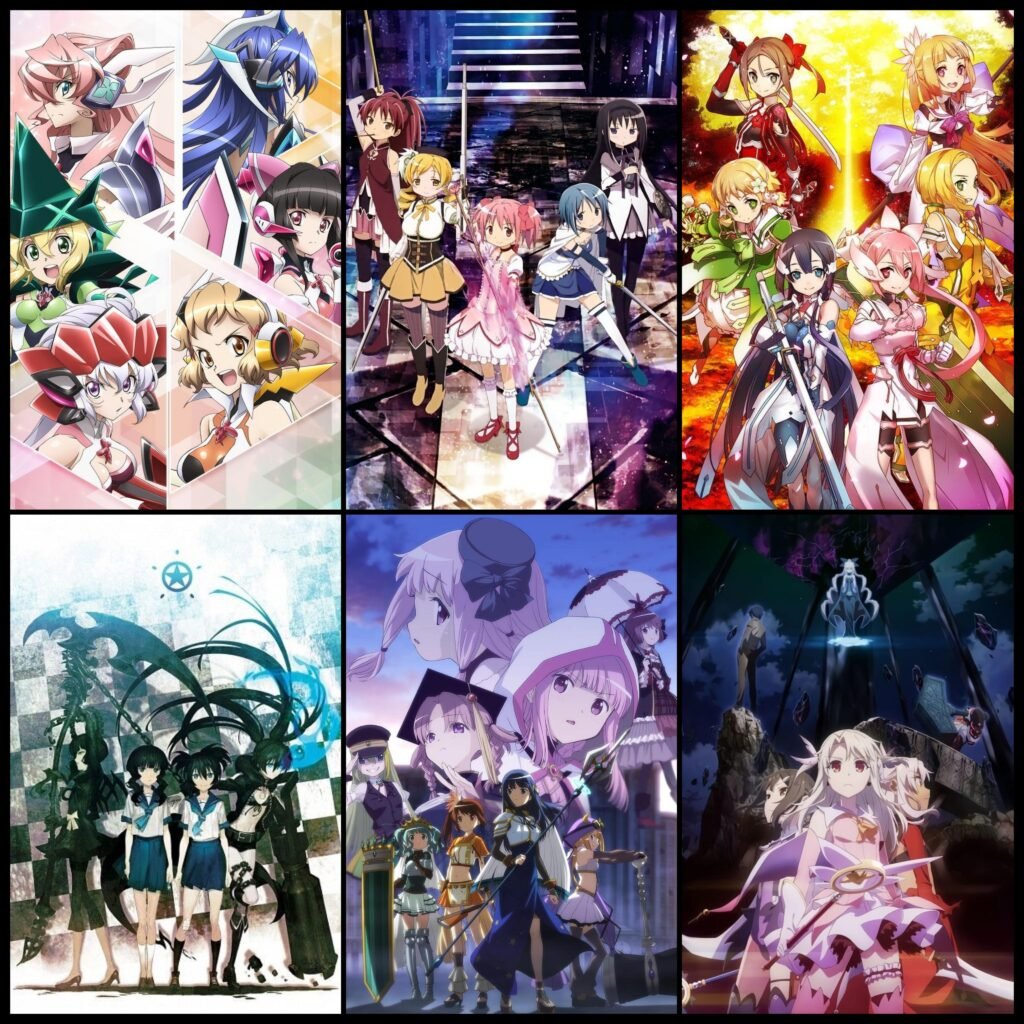
2010s-2020s

2010s Shows began subverting previous visual tropes. Transformation backgrounds shifted from traditional light effects to abstract, surreal, or darker art styles, often utilizing mixed media or paper collage techniques.

2020s Transformations are increasingly integrated directly into action scenes rather than being isolated, static sequences. Characters now transform while actively moving, running, or fighting.

2026 New Magical Girl

On Air!

Let’s discover the newest magical girl premieres of 2026.

Scroll to Top